Crack sealing
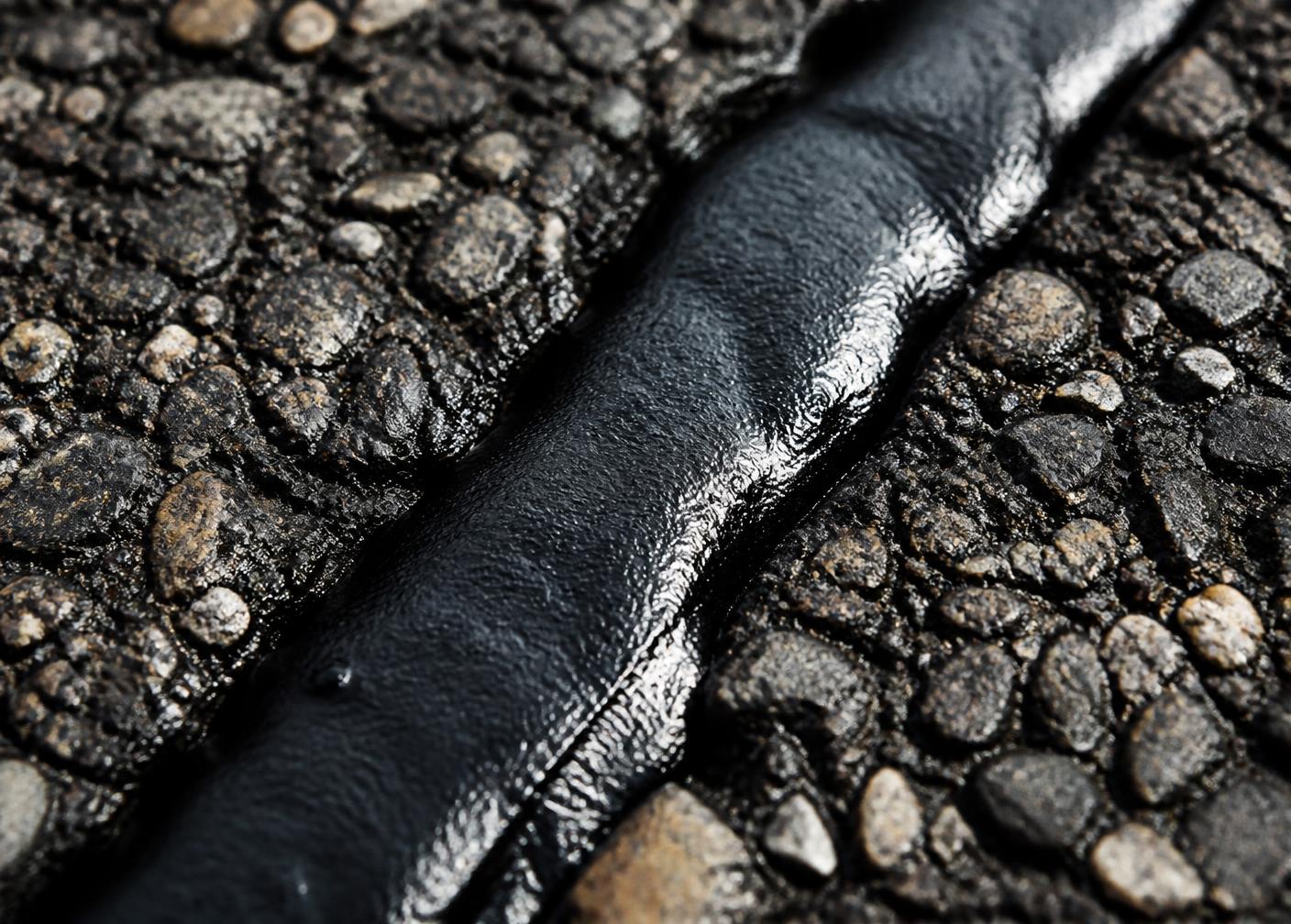
Crack sealing that keeps water out of your pavement
In Michigan, water plus freeze-thaw cycling is what turns a hairline crack into a pothole. Sealing cracks early is the highest-value maintenance dollar most property owners can spend.
Why cracks matter more than they look
An open crack is a direct path for surface water to reach the aggregate base underneath your asphalt. Once water is in the base it softens the support, and each freeze-thaw cycle expands the void a little further.
That is how a thin crack becomes a wide one, then an area of interconnected cracking, then a pothole that requires cutting and patching. Sealing the crack interrupts that chain while the repair is still small and inexpensive.
Not every crack is a candidate. Very wide, crumbling or heavily interconnected cracking usually signals a base problem that sealing cannot solve, and we will say so instead of selling you a treatment that will not hold.
What you get
- Water kept out of the pavement base, where the real damage happens
- Slower crack spread and fewer new potholes forming each spring
- A cleaner, more finished surface appearance
- Proper preparation for sealcoating, when both are done together
- A low-cost step that helps extend the usable life of the surface
Before & after
Crack sealing that keeps water out of your pavement results
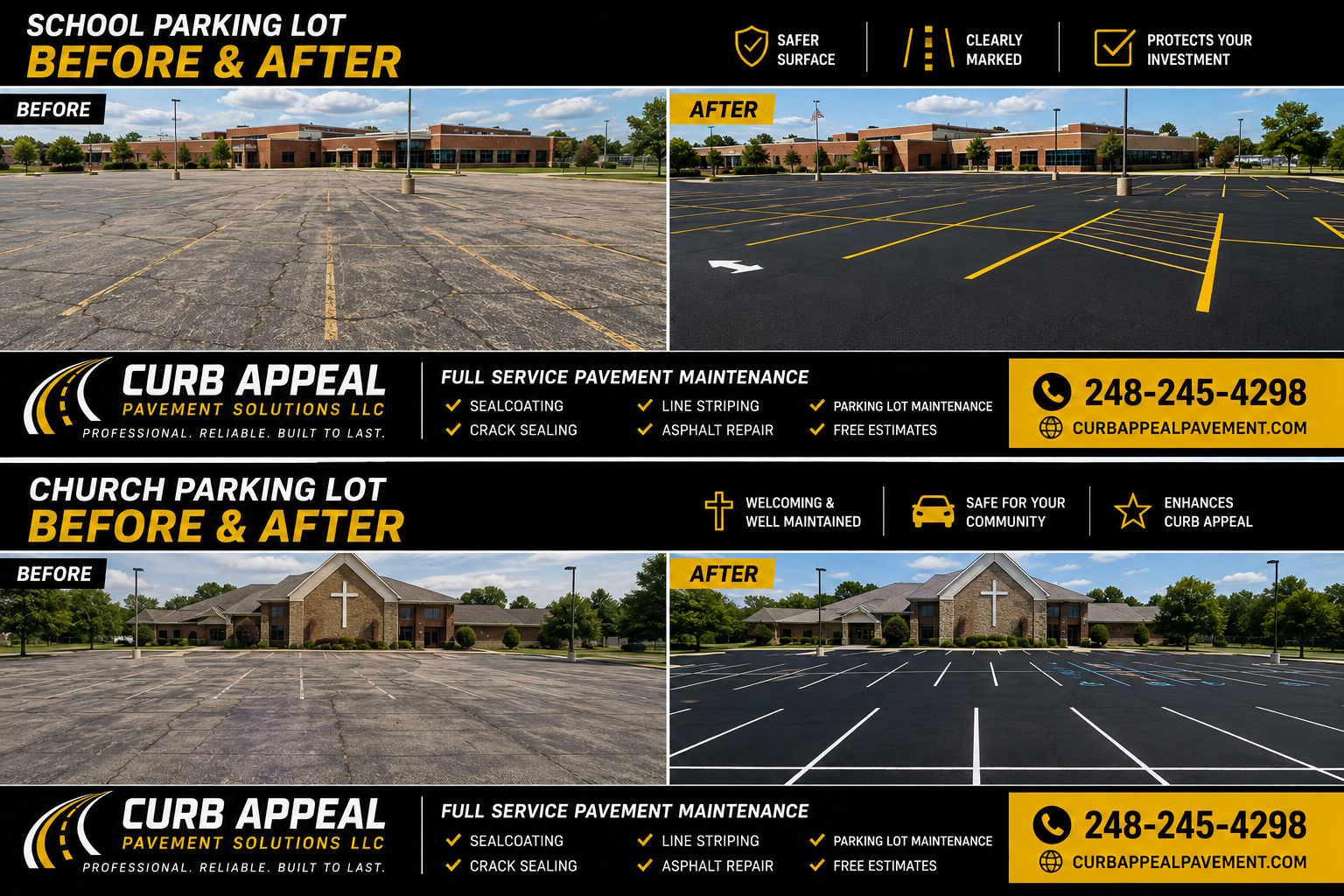
Real results from our crews — the same surface before and after the work.
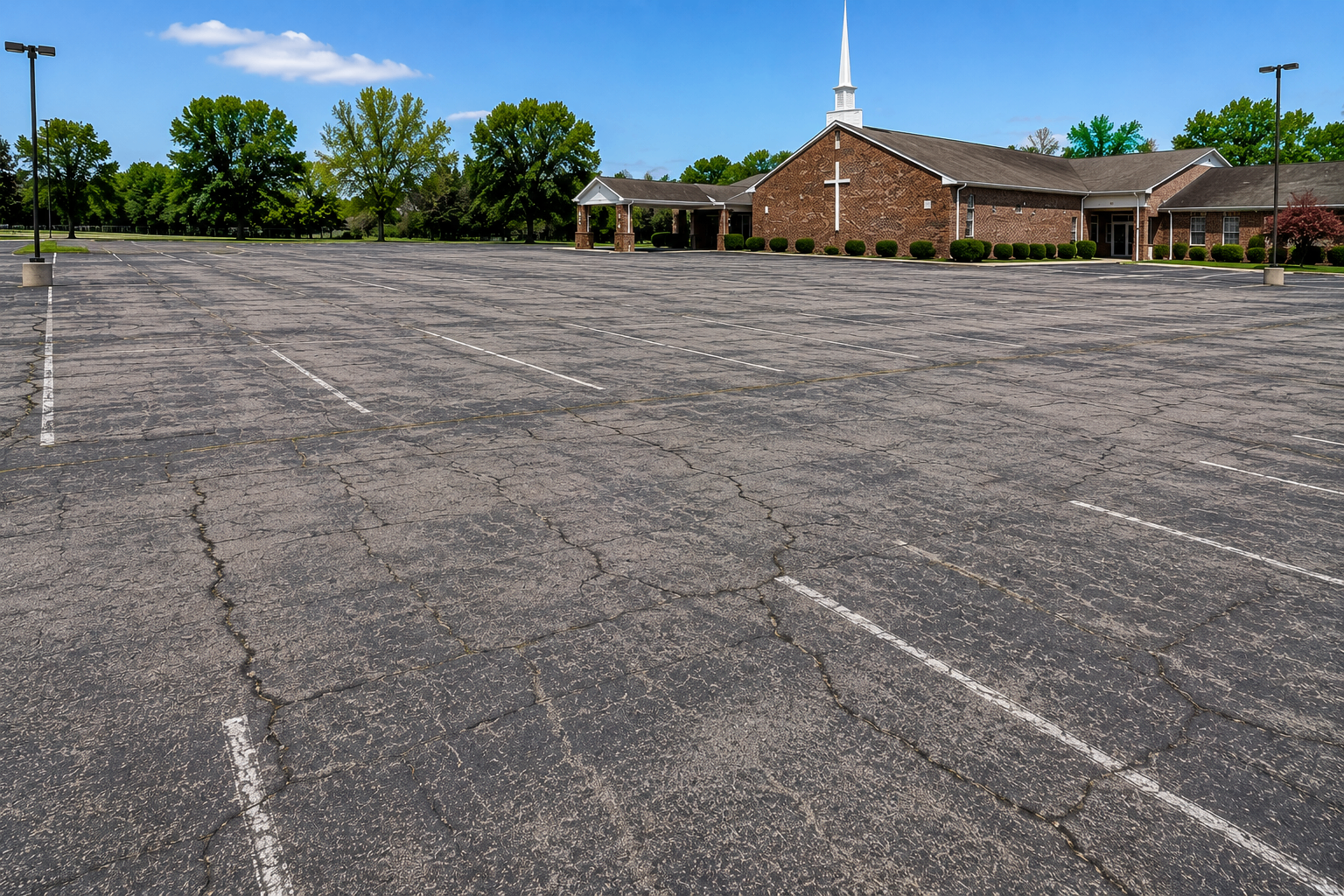
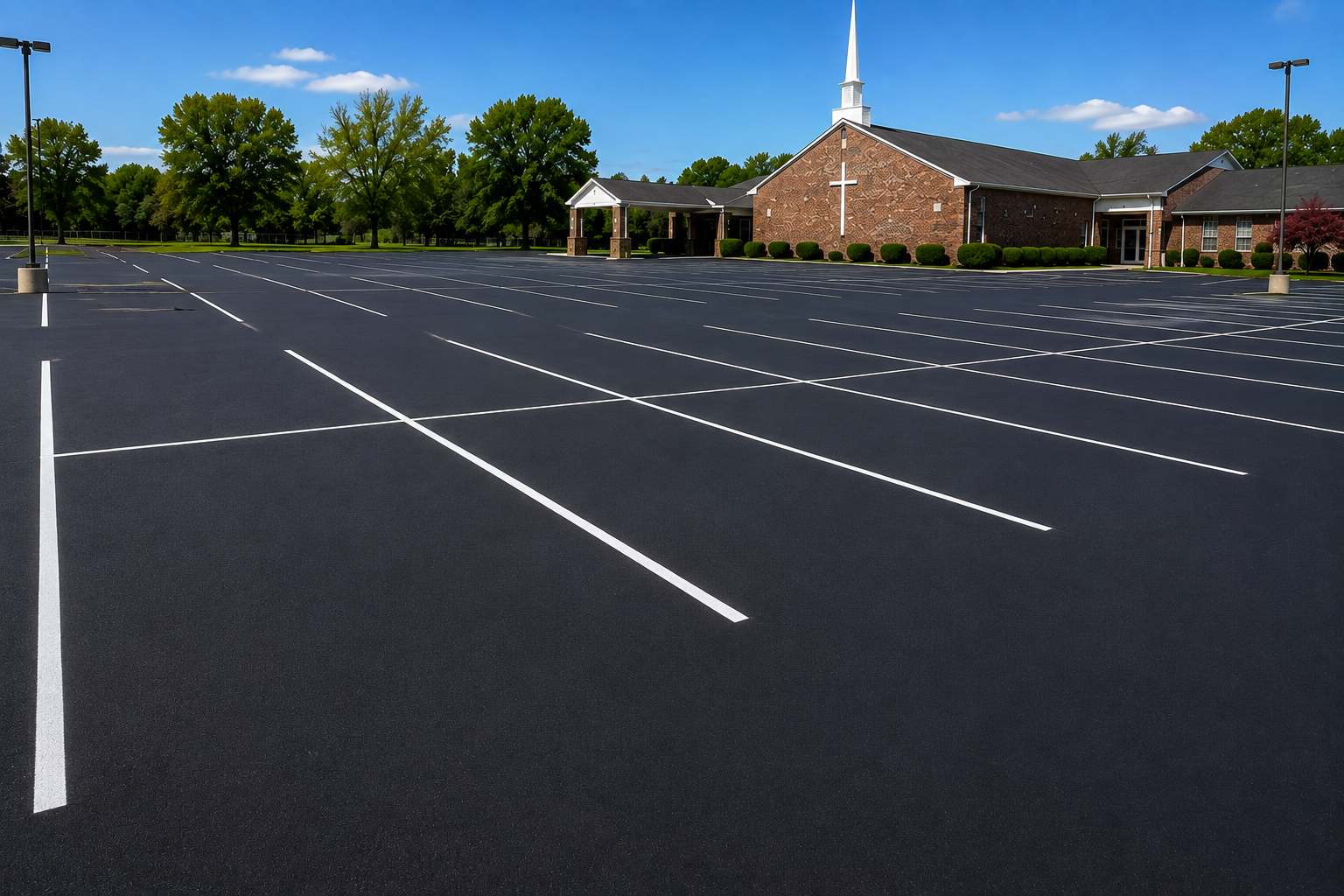
Church parking lot — crack sealing and sealcoating
How it works
Our crack sealing process
- 01
Walk the surface
We map crack patterns and flag any areas where cracking points to a deeper base issue.
- 02
Clean and prepare
Cracks are cleared of vegetation, dirt and loose material so the sealant can bond properly.
- 03
Seal
Sealant is applied and finished into the crack for a durable, flexible fill that moves with the pavement.
- 04
Review
We confirm coverage, note any areas to watch, and recommend a realistic re-check interval.
Ready for a straight answer on your pavement?
Send a few details and we will follow up with a clear, honest scope and price. No pressure, no upsell games.